
Seasonal
December Gardening in Southern California: What You Should Be Doing Right Now
December is one of the most productive months in the Inland Empire garden. Learn what to plant, essential maintenance tasks, and how to prepare for an incredible year ahead in zone 9b.
December in the Inland Empire is a gardener's secret weapon. While the rest of the country is winterizing their gardens and dreaming of spring, we're in the middle of one of our most productive growing seasons. The mild temperatures, occasional rain, and lower pest pressure make December ideal for cool-season vegetables, garden maintenance, and planning for the year ahead.
I've been gardening in Warm Springs for several years, and I've learned that what you do in December sets the tone for the entire next year. Miss this window and you'll be playing catch-up all spring. Use it wisely and you'll be harvesting fresh vegetables through winter while building a foundation for an incredible spring and summer garden.
Understanding December Weather in Zone 9b
December in Warm Springs brings unique growing conditions:
Temperature Ranges:
- Daytime highs: 58-65°F but it's not uncommon for temperatures to spike to the low 80s
- Nighttime lows: 35-42°F (occasional frost possible)
- Soil temperature: 50-55°F (cool but workable)
What This Means for Your Garden:
- Cool-season vegetables thrive in these temperatures
- Frost risk is real but manageable
- Seeds germinate slowly but reliably
- Transplants establish without heat stress
- Perfect conditions for soil building and bed prep
- Dormant season for fruit trees (ideal for pruning and planting)
Rain Patterns:
December typically brings 2-3 inches of rain, though this varies wildly by year. El Niño years can be very wet, while drought years stay bone dry.
What to Plant in December
Cool-Season Vegetables
December is prime time for cool-season crops that will produce through winter and spring:
From Seed (Direct Sow):
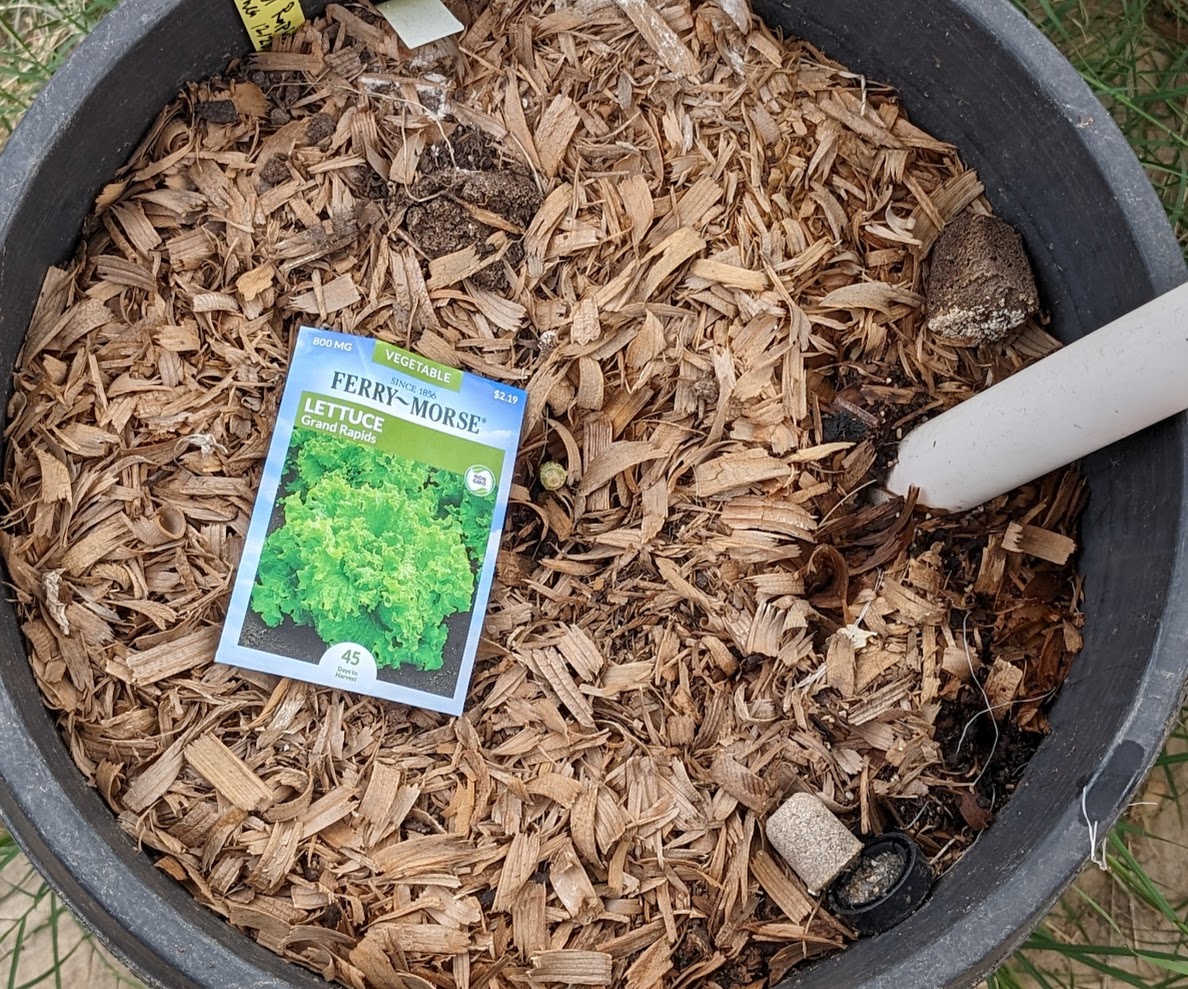
- Lettuce - All varieties thrive now. Plant every 2 weeks for continuous harvest
- Spinach - Grows slower in December but very sweet
- Arugula - Ready in 30-40 days
- Radishes - Quick crop in 25-30 days
- Carrots - Nantes varieties perfect for our soil
- Beets - Both roots and greens are delicious
- Peas - Sugar snap and snow peas, last chance to plant for spring harvest
- Fava beans - Great cover crop and nitrogen fixer, last chance to plant
- Swiss chard - Will produce for months
- Turnips - Fast growing, ready in 40 days
- Asian greens - Bok choy, mizuna, tatsoi
- Cilantro - Won't bolt in cool weather
- Parsley - Slow to germinate but worth it
From Transplants:
- Broccoli - Set out 6-week transplants for spring harvest
- Cauliflower - Needs consistent cool weather
- Cabbage - Early and late varieties
- Kale - Extremely cold hardy
- Brussels sprouts - Long season crop, plant early in month
- Onions - Sets or transplants for summer harvest
- Leeks - Long growing season
Use vermiculite when planting seeds to keep them moist during germination in our dry climate.
Herbs for December
Many herbs love December's cool weather:
Plant Now:
- Cilantro (best in cool weather)
- Parsley (flat and curly)
- Dill (attracts beneficial insects)
- Chives (from divisions or plants)
- Oregano (from cuttings or plants)
- Thyme (from cuttings or plants)
- Chamomile (relaxing tea)
Avoid Planting:
- Basil (too cold, will die at first frost)
- Lemongrass (tropical, wait until spring)
- Any tropical herbs
Flowers and Cover Crops
Flowers:
- Sweet peas (for spring blooms)
- Snapdragons (transplants)
- Pansies and violas (color all winter)
- Calendula (edible and medicinal)
- Bachelor buttons (easy and beautiful)
- Sweet alyssum (attracts beneficials)
Cover Crops:
- Fava beans (nitrogen fixer and edible)
- Field peas (quick cover crop)
- Crimson clover (beautiful and beneficial)
- Annual rye (builds organic matter)
Cover crops planted now can be cut and turned in by late February to prepare beds for spring planting.
Critical Garden Tasks for December
Fruit Tree Care
December is THE month for deciduous fruit tree work:
Planting Bare Root Trees:
- December through February is bare root season
- Peaches, plums, apricots, apples, pears
- Dig holes 2x wider than root spread
- Don't amend soil heavily - trees need to adapt to native soil
- Stake young trees against winter winds
Pruning Dormant Trees:
- Prune deciduous fruit trees while fully dormant
- Remove dead, diseased, crossing branches
- Open up center for air circulation
- Make clean cuts with sharp tools
- Don't prune citrus yet (wait until late winter/early spring)
Tool Recommendations:
Use a reciprocating saw for larger branches and hand pruners for smaller cuts. Clean tools with alcohol between cuts to prevent disease spread.
Soil Building and Bed Preparation
December is prime time for improving your soil:
Add Organic Matter:
- Spread 3-4 inches of compost over all beds
- Work into top 6-8 inches of soil
- Add worm castings for biology boost
- Mix in aged aged manure for nutrients
Amend Problem Soils:
- Test pH with soil test kit
- Add elemental sulfur to lower alkaline soil (follow package rates)
- Add gypsum to clay soils for better structure
- Add perlite to improve drainage in heavy soils
Build New Beds:
- Weather is perfect for construction
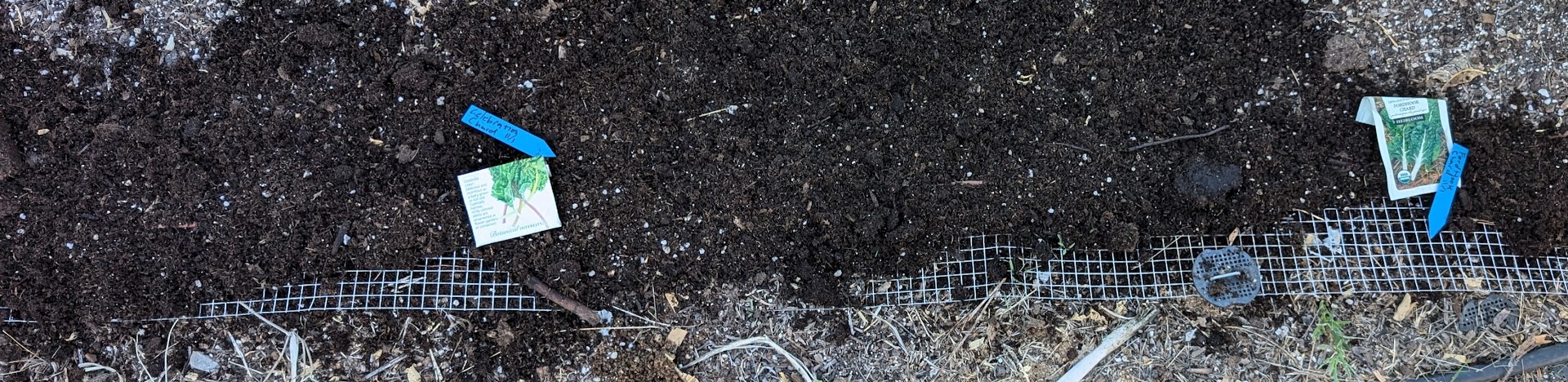
- Install hardware cloth underneath for gopher protection
- Layer cardboard, then wood, then soil mix (hugelkultur style)
- Fill with 1/3 perlite, 1/3 coco coir, 1/3 compost
December bed prep pays dividends all year long.
Irrigation System Maintenance
With cooler weather and potential rain, December is perfect for irrigation work:
Inspect and Repair:
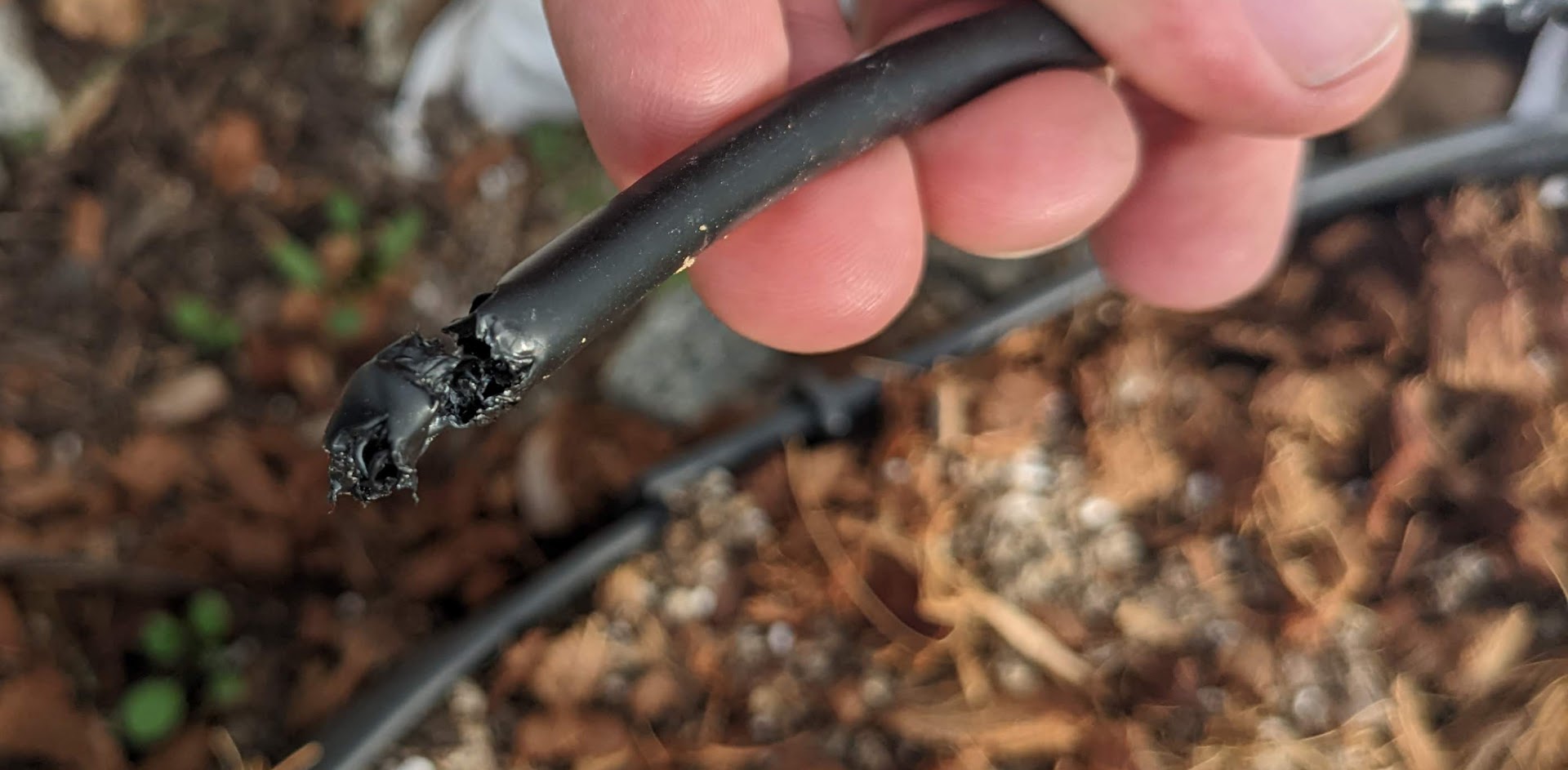
- Check all drip lines for leaks
- Replace worn emitters
- Flush filters and check for clogs
- Adjust irrigation timer for winter schedule
- Consider adding RV water filter to reduce salt buildup
Winter Irrigation Needs:
- Cool-season crops need less water
- If it rains, turn off automatic systems
- Check soil moisture before watering
- Water established plants 1-2 times per week if dry
- Water newly planted seeds daily until germinated
Composting
December is great for composting:
What to Add:
- Fall leaves (abundant now)
- Kitchen scraps
- Garden trimmings from cleanup
- Grass clippings (if you still have them)
- Shredded paper and cardboard
Mulching
December is the perfect time to mulch:
Best Mulches:
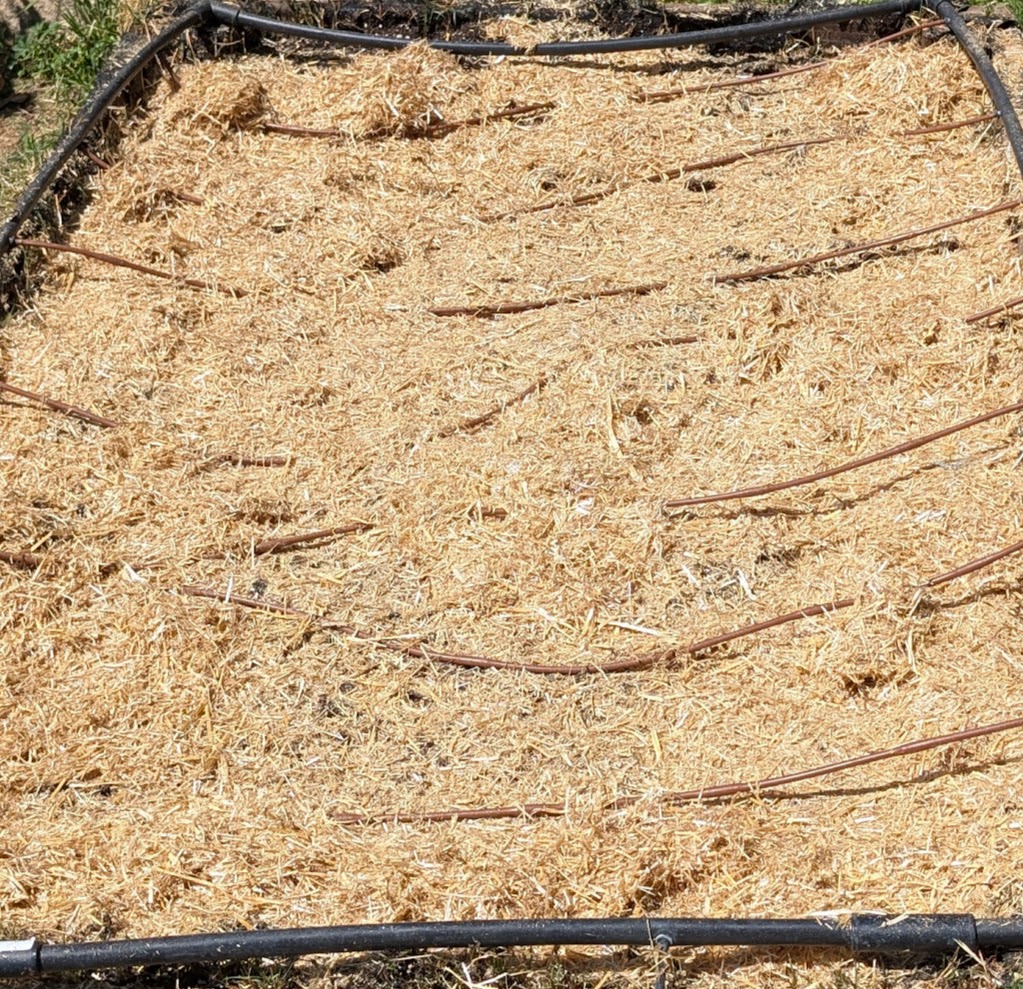
- seedless straw mulch - My top choice (2-4 inches)
- Shredded leaves (free and effective)
- Wood chips (for pathways and perennials)
- Compost (doubles as amendment and mulch)
What NOT to Do in December
Don't Plant Warm-Season Crops:
- No tomatoes, peppers, eggplant (outdoors)
- No beans, squash, cucumbers
- Wait until late February at earliest
Don't Fertilize heavily:
- Most plants are dormant or slow-growing
- Heavy feeding can promote tender growth vulnerable to frost
- Exception: side-dress actively growing cool-season crops with organic fertilizer
Frost Protection Strategies
December brings frost risk to Warm Springs:
When Frost Threatens:
- Watch weather forecasts closely
- Water plants thoroughly the day before (moist soil holds heat)
- Cover tender plants with frost blankets before sunset
- Remove covers when temps rise above freezing

December Harvest
Don't forget to enjoy the fruits of earlier labor:
What's Ready in December:
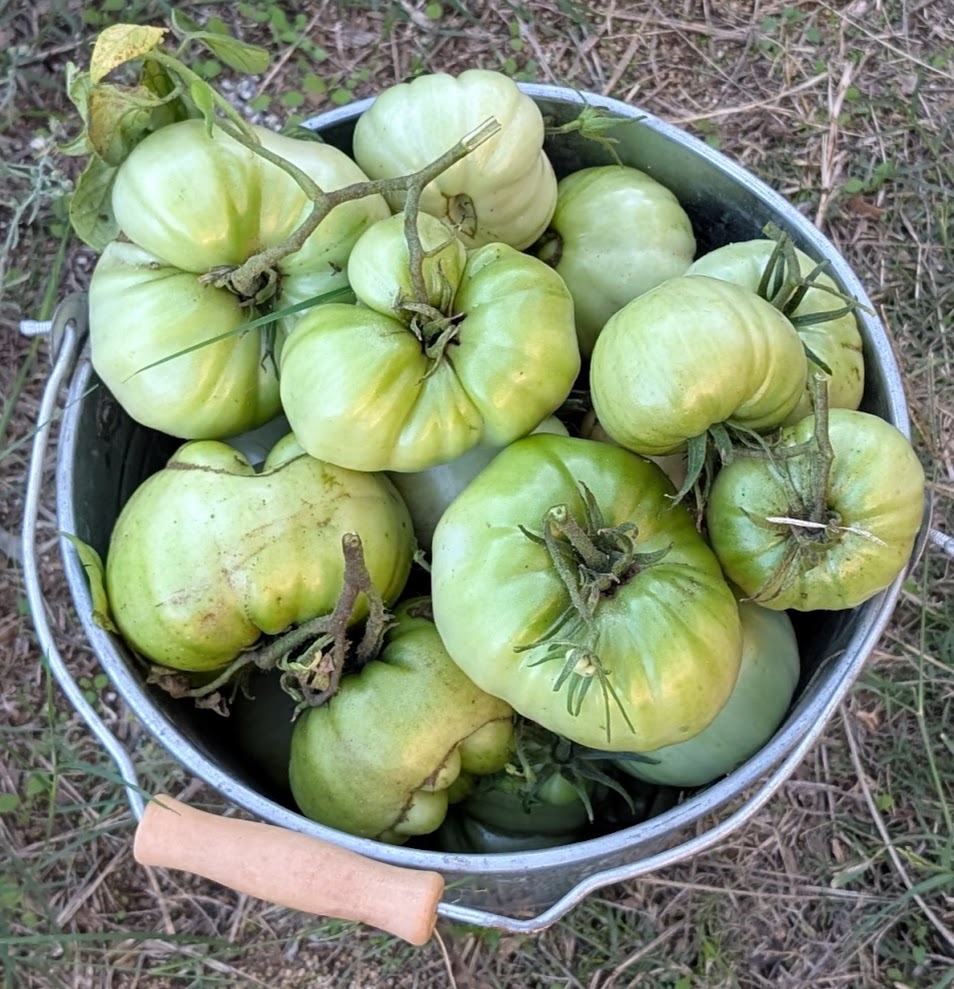
- Kale, chard, collards from fall planting
- Lettuce and greens from November planting
- Root vegetables (carrots, beets, turnips)
- Brassicas (broccoli, cauliflower, cabbage)
- Citrus (peak season!)
- Persimmons (if you have a tree)
- Pomegranates (late varieties)
Planning for Next Year
December is perfect for garden planning:
Garden Journal:
- Record what you planted and when
- Note successes and failures
- Track harvest dates and yields
- Make notes for next year
Seed Orders:
- Plan what you want to grow next year
- Order seeds early - popular varieties sell out
- Order warm-season seeds for spring
Your December Weekend Routine
First Weekend (Dec 1-7):
- Plant cool-season vegetables
- Prune deciduous fruit trees
- Add compost to beds
- Check and repair irrigation
Second Weekend (Dec 8-14):
- Succession plant lettuce and greens
- Transplant brassicas
- Mulch all beds
- Order seeds for next year
Third Weekend (Dec 15-21):
- Final cool-season plantings
- Plant cover crops in empty beds
- Garden cleanup and organization
Fourth Weekend (Dec 22-28):
- Harvest for holiday meals
- Plan next year's garden
- Enjoy your December garden!
Not in Warm Springs or want week-by-week planting guidance for your exact location? Check out Sow What? Now! - just enter your ZIP code and get AI-powered recommendations for what to plant this week in your specific zone. Currently in beta and helping gardeners across all climate zones stop guessing and start growing with confidence.
Disclosure: This post contains affiliate links. If you purchase through these links, I may earn a small commission at no additional cost to you. I only recommend products I personally use and trust in my own Inland Empire garden.
Filed under:
🌱
Know Exactly What to Plant This Week
Get personalised, AI-powered planting recommendations for your exact ZIP code and climate zone — every week. Sow What? Now! is free and currently in beta.
Try Sow What? Now! → Free