Tools & Equipment
Must-Have Garden Tools and Supplies for Winter Gardening in Southern California
The right tools make winter gardening in the Inland Empire so much more enjoyable and productive. Here are the exact tools and supplies I rely on every season — with honest reviews from real use.
Good tools are multipliers. The right tool makes a 30-minute job take 10 minutes, protects your plants, and makes the work genuinely enjoyable. The wrong tools — or missing tools — turn simple garden tasks into frustrating struggles.
After years of gardening in Warm Springs, I've narrowed my kit down to the tools I actually reach for every week. No fluff — these are the things I genuinely use and would buy again.
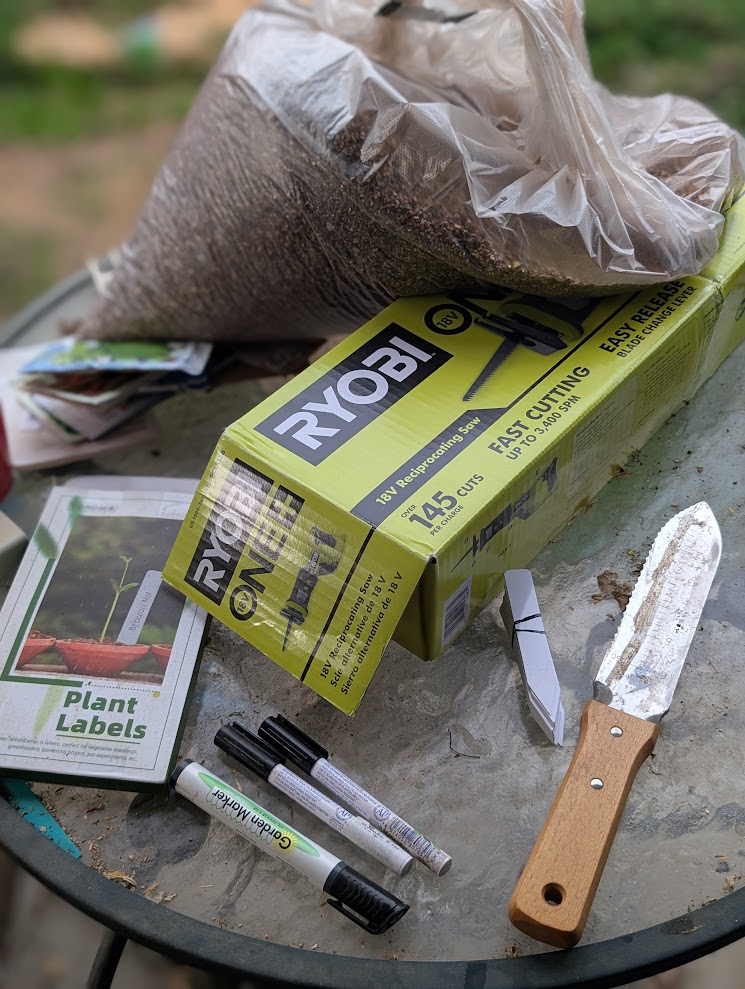
1. Hori Hori Knife
If I had to pick one tool from my entire collection, it would be the hori hori knife. This Japanese soil knife does the work of at least six separate tools:
- Digging planting holes for transplants
- Dividing perennials and ornamental grasses
- Weeding (the serrated edge grabs roots)
- Cutting roots for easy bulb harvesting
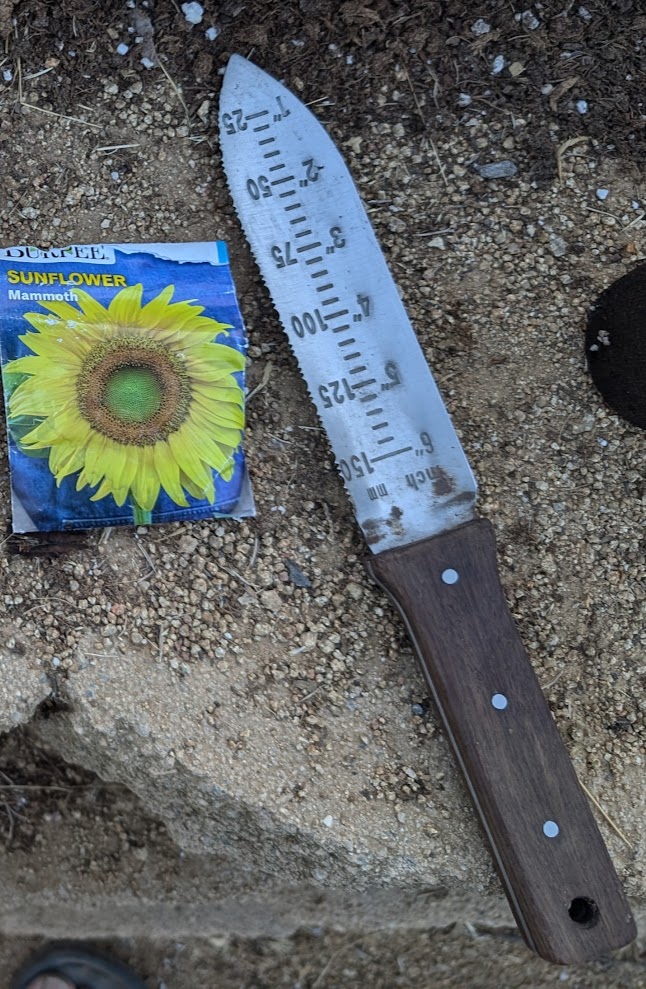
- Measuring depth when planting (mine has depth markings)
- Opening bags of compost and fertilizer
I've tried cheap versions. They flex, dull fast, and feel insubstantial in heavy clay soil. A quality stainless steel hori hori will last decades if you rinse it off and occasionally oil the blade.
Why It's Essential for Winter
Winter is peak time for planting cool-season transplants, dividing perennials, and transplanting fruit tree root balls. The hori hori handles all of these better than any traditional trowel.
2. Reciprocating Saw (for Pruning)
This one surprises people, but my reciprocating saw with a pruning blade has completely changed how I handle dormant tree pruning in December and January.
Traditional hand saws work fine for occasional pruning, but when you have multiple fruit trees to prune — and some branches are 2–3 inches in diameter — a reciprocating saw is a game changer:
- Cuts through 3" branches effortlessly
- Significantly less fatigue than hand sawing
- Cleaner cuts on difficult angles
- Works well in tight canopy spaces
- Doubles as a general workshop tool

What Blade to Use
Get a dedicated pruning blade (coarse, widely-spaced teeth), not a wood-cutting blade. Pruning blades are designed for green/living wood and won't bind in the cut. Bi-metal blades last longer than standard steel.
Safety Note
Always wear eye protection and gloves. Make sure your footing is stable before cutting overhead branches. Never cut branches directly above your head.
3. Vermiculite for Seed Starting
This one isn't a tool in the traditional sense, but vermiculite is one of the most valuable supplies in my winter seed-starting operation.
I use it in two specific ways:
As a seed-covering medium:
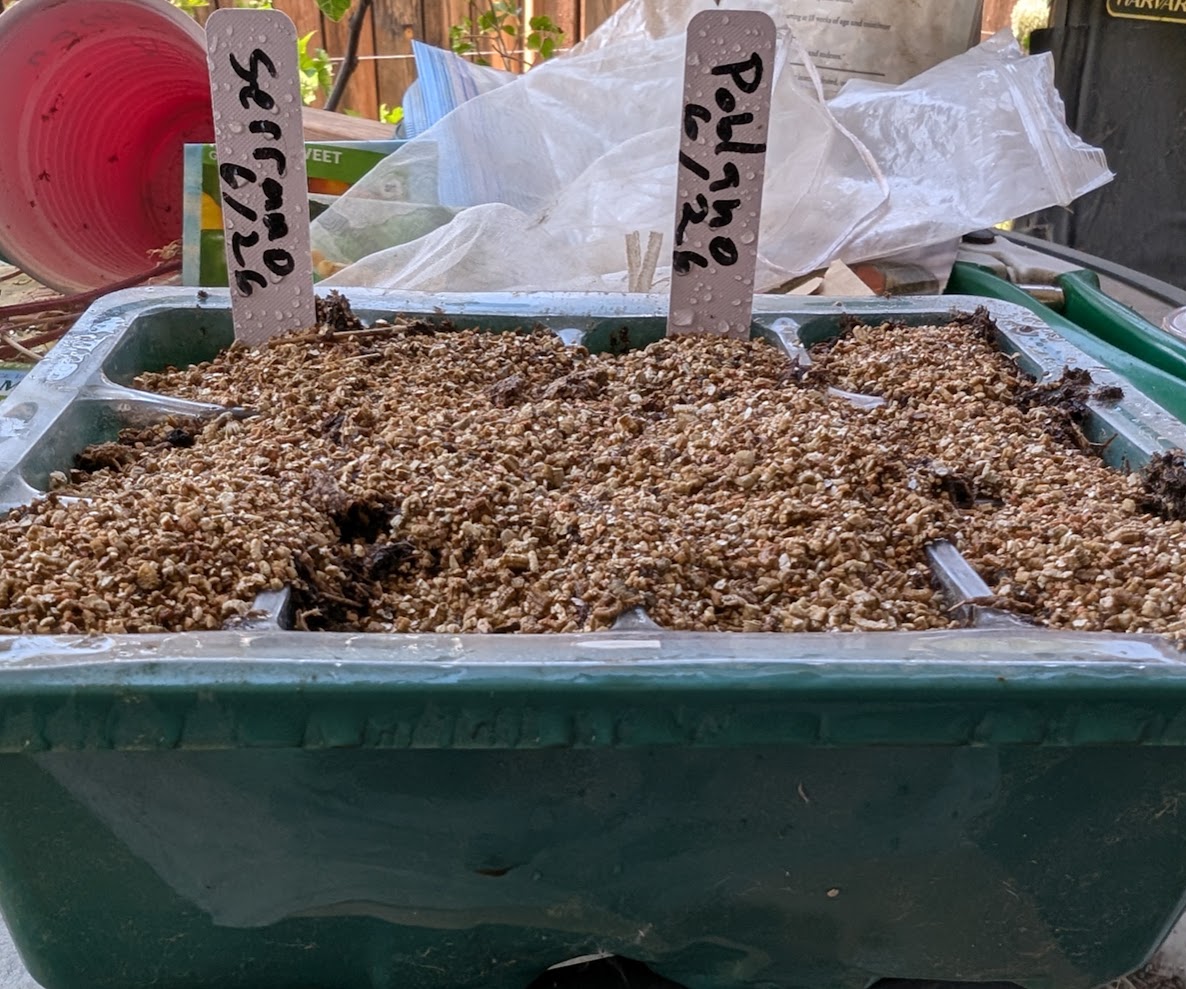
After sowing seeds in trays or cell packs, I cover them with a thin layer of vermiculite instead of potting mix. Vermiculite:
- Stays uniformly moist without waterlogging
- Doesn't form a hard crust that blocks seedling emergence
- Provides excellent light penetration for seeds that need light to germinate (lettuce, etc.)
- Dramatically reduces damping off (fungal seedling death)
In seed-starting mix:
I blend my seed-starting medium with about 25% vermiculite for superior drainage and aeration. This is especially important in winter when cool temperatures slow evaporation and excess moisture can rot seeds.
4. Quality Plant Labels
This seems minor until you have a flat of 30 seedlings and can't tell which are your Brandywine tomatoes vs. your Cherokee Purples. plant labels in the 6-inch size are my standard — long enough to stake firmly in trays or directly in the ground.
I use plastic labels rather than wooden popsicle sticks because:
- They don't absorb moisture and decompose
- Ink stays readable longer
- Can be cleaned and reused for many seasons
- Stakes firmly without tipping over
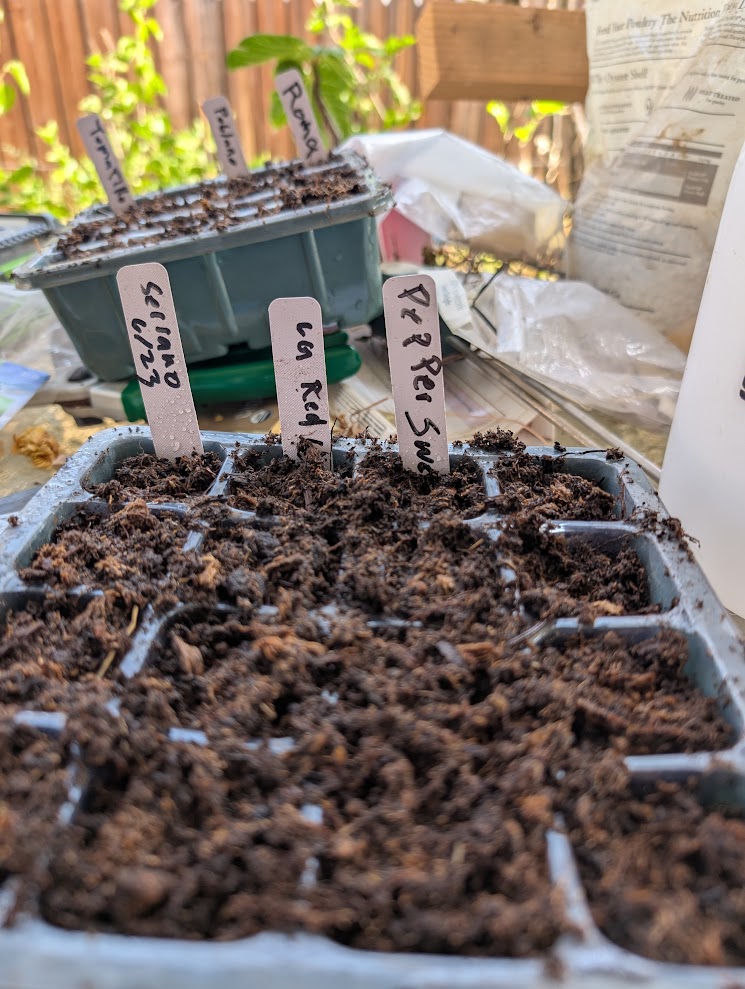
The Right Marker Makes All the Difference
Here's a mistake I made for years: I used regular Sharpie markers on plant labels. Within a few weeks of sun exposure, the ink was faded and illegible.
The fix: UV-resistant markers specifically designed for outdoor plant labeling. These stay readable for an entire growing season — sometimes longer. The difference is dramatic.
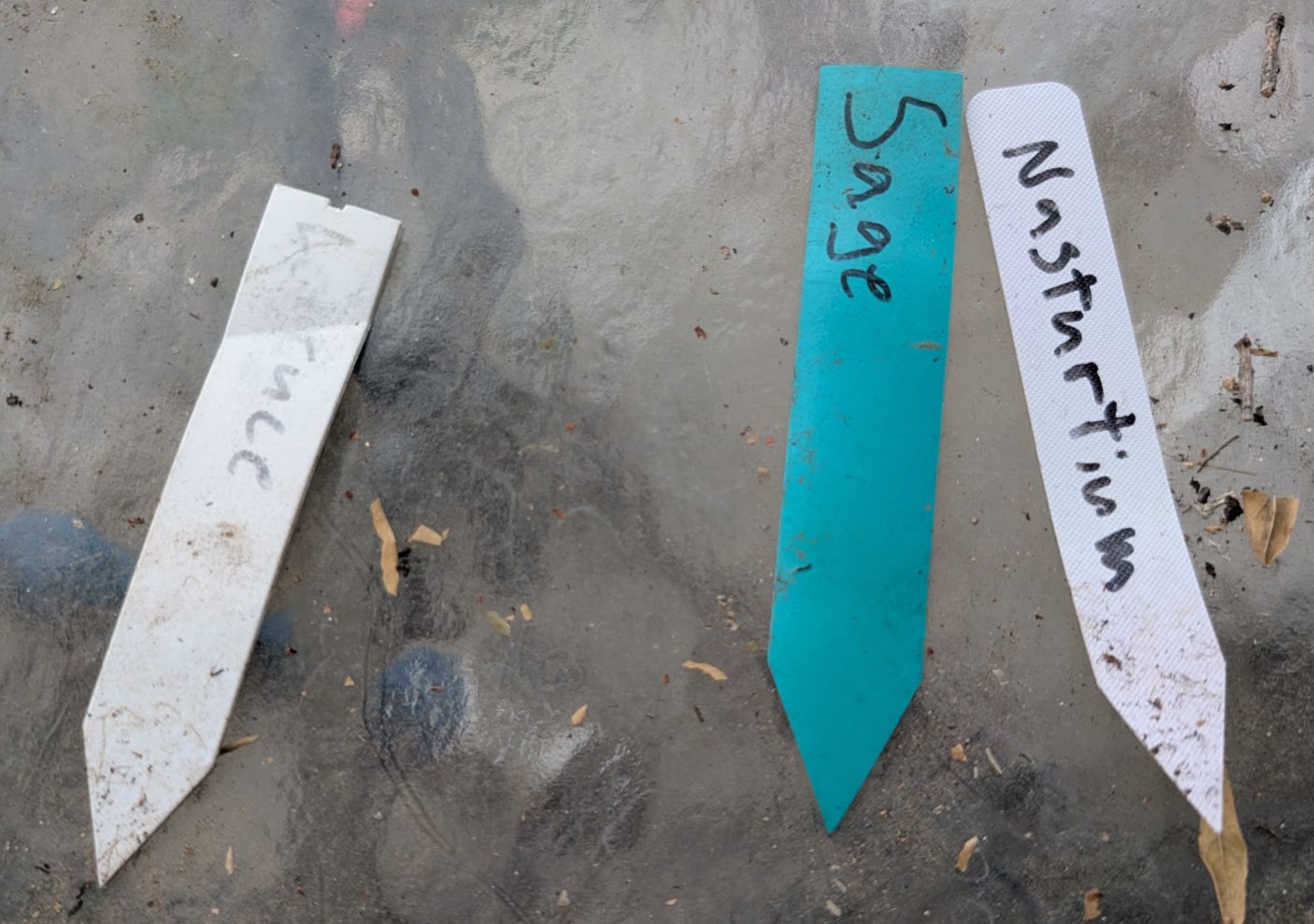
Label everything, every time. Future-you will be grateful.
Honorable Mentions
A few other tools I use regularly but didn't cover in depth:
- Knee pads — Your knees will thank you after an hour of transplanting
- Stainless garden trowel — Smaller companion to the hori hori for container work
- Quality watering wand — Gentle flow for newly seeded beds
- Soil thermometer — Takes the guesswork out of when to plant warm-season crops outdoors
- Carry-all garden tote — Keeps tools organized and portable
What I Don't Bother With
- Rototillers — Destroys soil structure and fungal networks; I use a broadfork instead
- Gas-powered string trimmers — Battery models are quieter, lighter, and cleaner
- Cheap pruning shears — They bind, crush stems, and dull quickly; invest in quality Felcos or Fiskars
Building Your Tool Kit
If you're just getting started, my recommended priority order:
- Hori hori knife (replaces trowel, weeder, divider)
- Quality pruning shears / hand pruners
- Plant labels + UV markers
- Vermiculite (seed starting game-changer)
- Reciprocating saw (once you have fruit trees to prune)
Don't try to buy everything at once. Start with the essentials and add tools as specific needs arise. The best tool is one that actually gets used.
Want AI-powered guidance on what to do in your garden this week — not just which tools to buy, but exactly when to plant what based on your ZIP code? Sow What? Now! is a free mobile app that tells you exactly what to plant this week based on your location. Currently in beta — give it a try.
Disclosure: This post contains affiliate links. If you purchase through these links, I may earn a small commission at no additional cost to you. I only recommend products I personally use and trust in my own Inland Empire garden.
Filed under:
🌱
Know Exactly What to Plant This Week
Get personalised, AI-powered planting recommendations for your exact ZIP code and climate zone — every week. Sow What? Now! is free and currently in beta.
Try Sow What? Now! → Free